Little Mountain Selling Guide | Prepare, Price & Sell | ELITE
ELITELittle Mountain selling guide · October 2026

Selling in Little Mountain

A practical guide to preparing, pricing and selling your Little Mountain home.

Prepared by Mitchell Lund · Co-Director, Elite Lifestyle Properties0421 411 881mitchlund@elitelp.com.au

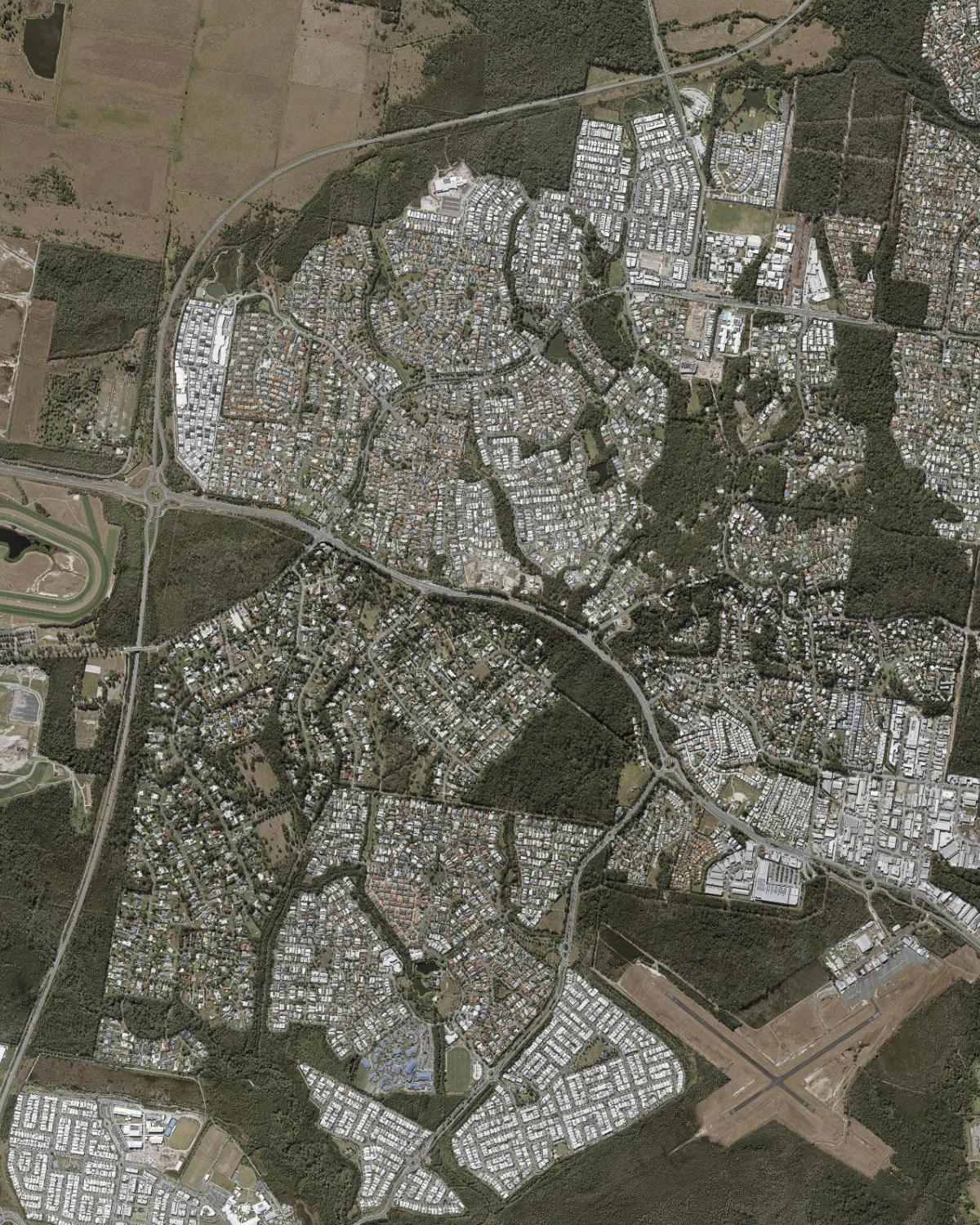
Estates, parks and quiet streets, inland from Caloundra.Little Mountain 4551 · 26.784° S · 153.092° E

Little Mountain from above. Aerial photography © State of Queensland (Department of Natural Resources and Mines, Manufacturing and Regional and Rural Development), Queensland Spatial Imagery — publicly released.

In this guide

Your home. Your next move.

Selling in Little Mountain starts with your estate and your land.

A Little Mountain home may sit in one of the lakes and parkland estates, a short walk from Little Mountain Common, or on a larger block in an established street. Each of those settings calls for its own set of comparable sales.

We wrote this guide to help you consider your own home and the steps involved in selling, so you can plan a move in your own time.Mitchell Lund and the Elite Lifestyle Properties team

This guide covers Little Mountain property features and the steps involved in preparing and selling your home. If you are thinking about how to sell your house in Little Mountain, it sets out the questions worth answering before a campaign is agreed.

Nothing here puts a price on your home. That comes from a Little Mountain property appraisal, built on the Little Mountain sales that genuinely compare with it. Mitch Lund, the Little Mountain real estate agent who prepared this guide, can take you through that evidence when you are ready. The Little Mountain suburb page has recent listings and a way to request a conversation.

  1. —Know Little MountainLocal places, mapped.
  2. 01Your seller planChoose a priority and a timeframe.
  3. 02Local market figuresMarket figures, their reporting dates and what they mean.
  4. 03Property comparisonsUseful comparisons for your property.
  5. 04Buyer questionsQuestions buyers may ask.
  6. 05Features to considerFeatures worth explaining clearly.
  7. 06Preparing your home for saleWhat to repair, prepare or leave as it is.
  8. 07Pricing, method and costsAppraisal, method of sale and the costs to plan for.
  9. 08Marketing strategyYour sale in three stages.

Selling in Little MountainElite Lifestyle Properties

Know Little Mountain

Estates, parks and wetlands, inland from the coast.

Little Mountain Common sits on Raintree Boulevard, and the estates around it each have their own parks, pathways and lakes. Check the route from your own address before describing any nearby place to buyers.

Aerial photograph of Little Mountain with numbered markers for local places
  1. Parks and reserves
  2. 1Little Mountain CommonRaintree Boulevard · 1.3 km
  3. 2Ivadale Family ParkIvadale Lakes · 0.7 km
  4. 3Stockyard ParkIvadale Lakes · 1.1 km
  5. 4Jill Chamberlain ReserveNature reserve · 0.8 km
  6. Shops
  7. 5Parkland Springs Shopping VillageVillage Way · 0.9 km
  8. 6Little Mountain CentralPierce Avenue · 1.1 km
Land area7.59km²
Postcode4551
CouncilSunshine Coast Regional
Locality centre26.784° S · 153.092° E

Local streets — streets referenced in this guide include Raintree Boulevard, Little Mountain Drive, Lakeshore Place, Springs Drive, Parkland Boulevard, Village Way, Ivadale Boulevard and Pierce Avenue.

Distances are straight-line from the locality centre (26.784° S, 153.092° E), not walking distances. Places: Google Places sweep, compiled 30 Oct 2026; locality area and centre: Queensland Government locality boundary. Aerial photography © State of Queensland, Queensland Spatial Imagery — publicly released.

Council describes Stockyard Park and Environment Reserve on Ivadale Boulevard as natural habitat and wetlands. Little Mountain is an inland suburb: its lakes and wetlands are shared estate and Council open space, not private water frontage.

Selling in Little MountainKnow Little Mountain

Your seller plan

What matters most in your sale?

Every owner’s priorities are different. Choose the one closest to yours and a likely timeframe — it gives us a place to start the conversation, not a recommendation or a price.

Priority

Prepare carefully

“I can prepare properly and want the strongest competition.”

A carefully prepared sale plan

  1. Identify the buyers most likely to be interested in your Little Mountain home, whether they want an estate home near the parks or the room of a larger block.
  2. Spend only where it matters to that buyer.
  3. Agree the timing, prepare the home and make it easy for interested buyers to inspect.
Priority

Sell with less work

“I want clarity on what is truly necessary.”

A focused, simple preparation plan

  1. Complete necessary repairs and give the home a thorough clean.
  2. Choose a short, efficient marketing plan with clear terms for buyers.
  3. Price against Little Mountain homes in a similar estate or on similar land that need a similar amount of work.
Priority

Research first

“I’m not committed, but I want to understand my options.”

Understand your options first

  1. Gather the property records, approvals for sheds and other structures, and the recent sales you need before deciding whether to sell.
  2. Keep an eye on Little Mountain listings in your own estate or setting, and what buyers say about them.
  3. Set yourself a decision date, so the research leads somewhere.
  • 0–3 months
  • 3–6 months
  • 6–12 months
  • 12 months +

In Little Mountain. Settle early whether your home competes as an estate home near the lakes and parks, a home in the streets around Little Mountain Common, or an established home on a larger block. That decision shapes the sales Mitch Lund will compare it with, the records to gather and the photographs worth taking.

Discuss this plan
Selling in Little MountainYour seller plan

Local market figures

One postcode, several Little Mountain markets.

An estate home on a standard lot and an established home on a much larger block are measured against different sales — even though both carry a Little Mountain address.

Compare the estate, the usable land, the accommodation and the condition of the home when choosing relevant sales. A strong result on a large parcel can be interesting background without being the right benchmark for an estate home a few streets away. Many owners here have held their homes for a long time, so an appraisal may be the first proper look at value in years, and the right review starts with your setting in Little Mountain, your home’s layout and the buyers who actually compete for it.

What this means in Little Mountain.

The cards below summarise the Cotality report prepared 20 October 2026, with houses and units shown separately. They describe the suburb as a whole. Current comparable sales from your own setting are needed to assess your home; a suburb-wide change is not an estimate of your property’s movement.

The numbers

Little Mountain property market figures

Sale prices, modelled values, asking rents and ownership for Little Mountain, with houses and units shown separately. Swipe or use the arrows to move between cards; each measure carries its own reporting period.

Source: Cotality Suburb Statistics Report, Little Mountain QLD 4551, prepared 20 October 2026; checked 20 October 2026. Sale-price medians and quartiles are rolling 12-month measures; the summary does not state a separate endpoint. Sales counts cover the 12 months to July 2026. Modelled values are at the end of September 2026 and are separate from recorded sale prices. Asking rents and rental-rate observations cover the 12 months to September 2026. Value-based yields are Cotality estimates, not a forecast of net returns. From September 2017 to September 2026, modelled median values moved from $586,181 to $1,247,497 for houses and $311,027 to $846,253 for units. † Fewer than 30 unit sales in the period: a small number of sales can materially change the median. Unit rents rest on 14 observations. These suburb-level measures provide context and are not an appraisal of an individual property.

These measures come from Cotality and use different periods and property groups, shown with each figure. They provide suburb context, not a valuation or forecast for your home. Little Mountain is mostly houses, and the unit sample is small, so read the unit figures with care and treat them as context rather than a guide to any one property.

Turn the figures into a property-specific comparison

Ask which completed sales support your appraisal and how differences in estate, land, layout and condition have been considered. Current listings show the competing options buyers can inspect; their asking prices are separate from completed-sale evidence.

For a larger block, ask what evidence supports any allowance for the land, the access and the sheds, and how much of the parcel is genuinely usable. For a townhouse or attached home, keep the comparison focused on the complex and the individual lot. If close sales are limited or older, ask Mitch Lund to explain how that affects the range.

An appraisal is an agent’s opinion of the property’s market position. It is not a formal valuation or a guaranteed sale result.

The median sale price is the middle price among the recorded sales. Cotality’s median value is an estimate for the suburb, rather than a list of completed sales. Check the period and property type shown on each card. These figures give context; recent sales of similar homes are needed to estimate a price for your property.

Selling in Little MountainLocal market figures

Property comparisons

Compare Little Mountain property by setting.

The lakes and parkland estates, the streets around Little Mountain Common and Ivadale Lakes, and established homes on larger blocks are useful starting points. Compare recent sales with a similar setting, layout and condition.

  • Estate and street.Which estate the home is in, and how it sits in its street.
  • Usable land.How much of the block is level, accessible and actually used.
  • Park relationship.The real walk to the nearest park or reserve, checked from the address.
  • Scheme records.For a townhouse or attached home, the body corporate records and costs.

Lakes and parkland estates

Property features
Estate homes where the street, the parks and the pathways are part of daily life, and where the house, yard and finish usually lead the comparison.
Local examples
The streets around Lakeshore Place and Springs Drive, near Twin Parks Domain, and the estate streets off Little Mountain Drive.
Sales to compare
Other estate homes on similar lots with a similar walk to the parks, then layout and condition. A nearby estate lake is shared open space, not private frontage.

Around the Common and Ivadale Lakes

Property features
Homes close to Little Mountain Common, Open Meadow Park or Stockyard Park’s wetlands, where buyers may value the playgrounds, the dog park and the walk to the shops.
Local examples
The streets near Raintree Boulevard, Parkland Boulevard and Village Way, and around Ivadale Boulevard and Tall Trees Way.
Sales to compare
Homes with a similar relationship to the park or reserve and a similar street. Backing onto open space can suit one buyer and worry another, so describe it plainly.

Larger blocks and established homes

Property features
Houses bought for the land as much as the home: usable yard, side access, sheds, room for a boat or caravan, and privacy.
Local examples
Established streets with larger parcels, such as Oakwood Street and parts of Sugar Bag Road.
Sales to compare
Other homes on similarly sized and similarly usable land, rather than standard estate lots. Keep any talk of future use separate from what the title and planning controls allow.

These descriptions help you compare properties. They are starting points, rather than fixed categories or measured buyer demand.

Townhouses and attached homes

Features to consider

Little Mountain is mostly detached houses, with a smaller number of townhouses and attached homes. Start with relevant sales in the same complex where available, then similar developments nearby. Compare floor area, courtyard or balcony space, parking, facilities and the body corporate records. With fewer of these sales to draw on, ask how thin evidence has been allowed for in the range.

Selling in Little MountainProperty comparisons

Buyer questions

Questions buyers may ask.

What buyers may ask aboutFamilies weighing parks and bedrooms, buyers looking for room on a larger block, and those comparing one Little Mountain estate with another.
  • Land records.The lot size from the survey or title, and approvals for sheds and other structures.
  • Estate documents.Any covenant or community management statement that applies to the lot.
  • The home itself.An accurate floor plan, parking, outdoor living and recent improvements.

How much of the land can we use?

On a larger block, buyers may ask how much of the parcel is level, how the driveway and side access work and what the sheds are approved for. Have the records ready and show the land as it is.

Is the lake or park part of the property?

Near an estate lake, a wetland reserve or the Common, buyers may ask what the boundary includes. Shared open space does not become private frontage or a private outlook, so confirm what is, and is not, part of the lot.

Which school catchment is this?

Families often ask. Catchments are set address by address by the Department of Education, so point buyers to the official information for your address rather than describing the suburb as a whole.

These are possible buyer considerations. Enquiries and inspection feedback help us understand the response to your own property.

Little Mountain in one line

Estates, parks and larger blocks, assessed property by property.

Selling in Little MountainBuyer questions

Features to consider

Features worth explaining clearly.

Consider the features a buyer cannot easily change in a Little Mountain home, alongside any work it may need. Recent comparable sales help us assess how those differences could affect its value.

Features to consider
  • The estate and the home’s position in its street
  • Usable land, slope and side access
  • Approved sheds, pools and other structures
  • Parking, storage and room for a boat, caravan or trailer
Work buyers may consider
  • Paint, flooring and lighting
  • Kitchens and bathrooms
  • Landscaping, fencing and street presentation
  • Heating, cooling, ventilation and storage

The land, measured and explained

Lot sizes vary widely across Little Mountain. Confirm the area from the survey or title, then show how much of it is genuinely usable, rather than relying on the size on paper.

Public open space versus private land

The Common, the estate lakes, the wetland reserves and the neighbourhood parks help describe the setting. None of them gives a property frontage, a guaranteed outlook or other private right unless the documents for that property say so.

Usable space and ownership

Room flow, outdoor living, condition and any estate or scheme arrangements remain important alongside the setting. Match the property type before drawing comparisons.

Selling in Little MountainFeatures to consider

Preparing to sell

Focus your preparation on the right work.

Preparing to sell starts with deciding which repairs and presentation work are worthwhile for your Little Mountain home and budget.

Check maintenance and structure records

Check exterior paint, gutters, fencing and outdoor fittings. On a larger block, tidy the grounds, clear the driveway and trim back vegetation so buyers can see the land; in an estate street, kerb appeal and a neat front garden do much of the work. Gather the approval records for sheds, pools and retaining walls, and check whether a pool safety certificate is needed for the sale. For a townhouse, gather current body corporate fees, meeting records and information about planned work.

Before anything else
  • Think about who the home may suit and the information they will need.
  • Look at recent Little Mountain sales of homes like yours, in a similar setting.
  • Separate essential repairs from optional styling.
  • Settle how you will sell before you settle on a price.
In Little Mountain
  • Confirm the land.Lot size, usable area and access differ from street to street. Confirm what applies to your address before any of it is written into the campaign.
  • Show the setting honestly.Near the Common, a lake or a reserve? Photograph the walk and the street as they are, and label any neighbourhood image as local context, not part of the property.
  • Gather estate and maintenance records.Buyers may ask about covenants, roof, electrical, plumbing, pool and pest records. Have them ready before launch.
  • Check flood information early.Some streets sit near wetlands, drainage reserves and estate lakes, and overlays vary by lot. Confirm yours with Council’s flood mapping and property searches before launch, so buyers’ questions already have answers.

Prepare your seller disclosure documents early

In Queensland, the seller disclosure statement and prescribed certificates must be given to the buyer before they sign the contract, or before the fall of the hammer at auction. Ask your solicitor which documents apply to your Little Mountain property and when they need to be ready. Use the Queensland seller disclosure guidance to prepare your questions.

Selling in Little MountainPreparing to sell

Pricing and method

Price from the right Little Mountain sales.

Ask which recent sales support the estimate. In Little Mountain, those sales should share your home’s estate or land setting, and a similar layout.

  • Do the comparable sales share your home’s setting: an estate lot, near the Common or Ivadale Lakes, or a larger block?
  • If a larger-block sale is used for an estate home, or the other way round, how have the differences been explained?
  • How recent is each sale, and how has the range allowed for any change since? Mitch Lund can take you through each answer.

An appraisal, not a promise.

An appraisal is an agent’s estimate of what your Little Mountain home may sell for, based on similar recent sales and a review of the property. It is not a formal valuation or a guaranteed sale price. The Valuers Registration Board explains the difference.

The likely price range.

We estimate a price range using recent sales with a similar setting, land, layout and condition. Check the dates of comparable sales and ask how market changes have been allowed for.

Pricing strategy.

For a negotiated sale, discuss an asking price, a price range or marketing without a published price. Each approach has trade-offs. We will explain the options and agree on the approach before launch. Auction advertising has different Queensland price-quoting rules, which must be checked before a marketing plan is prepared.

Choosing how to display the price.

A stated asking price can help buyers assess fit. Marketing without one may encourage enquiries but can also leave people uncertain. Discuss recent comparable sales and property website search settings before choosing an approach.

Selling in Little MountainPricing and method

Pricing and method

Choose the method before the price.

The right method for a Little Mountain home follows the property, the sales evidence and your priorities.

MethodHow it worksUsually suits
Negotiated saleBuyers make offers and negotiate the price and terms, with flexibility on timing.Homes with several useful comparable sales, and owners who want flexibility on terms and timing.
AuctionA set date and open competition between registered buyers.Homes where several buyers are likely to compete at once.
Expressions of interestWritten offers by a set date, under the agreed pricing approach.Owners who want a closing date for written offers and an agreed process for considering them.
Private introductionsA quiet approach to qualified buyers before any public marketing.Owners who value privacy, or who want to test demand before committing.
Marketing packages

Essential

A focused marketing plan built around the essential property information and agreed advertising. Confirm the inclusions and price in your written proposal.

Enhanced

Discuss whether additional photography, video or signage would be useful for your home. Confirm the inclusions and price in your written proposal.

Elite

Discuss a more extensive marketing plan where the property and budget support it. Confirm the advertising, content and price in your written proposal.

The costs of selling.

Our commission and your marketing package are set out in your written agreement with the agent before your marketing plan begins, and we confirm the package inclusions and cost at your property review. Beyond those, owners usually budget for legal work to complete the sale, any preparation work and, if there is a loan, fees to close your mortgage. Your accountant can advise on any tax.

For an auction property in Queensland, sellers and agents cannot give buyers a price guide. Discuss your reserve and the contract with your agent and solicitor. Read the Queensland auction rules before choosing this method. The Queensland Government’s ways to sell your home page outlines each method.

Selling in Little MountainPricing and method

Marketing strategy

Your sale in three stages.

Prepare your Little Mountain home, consider whether a private introduction is useful, then launch and review the response.

  1. Stage 01

    Prepare and plan

    Before advertising starts, agree on the preparation, photography, required documents, costs and inspection arrangements.

    What to expectYou know what is included, what it costs and what needs to be ready.

  2. Stage 02

    Optional private introduction

    If it suits your plans, discuss introducing the home to relevant buyers before public advertising. Agree on the timing and any costs first.

    What to expectA private introduction is optional and does not guarantee an offer or savings.

  3. Stage 03

    Public launch

    Publish the agreed advertising and property information, hold inspections and follow up enquiries. The channels and timing depend on your written marketing plan.

    What to expectReview enquiries, inspection feedback and offers, then agree on any changes to the marketing plan.

Matching your plan
Prepare carefullyDiscuss whether each stage suits your property and plans.
Sell with less workKeep preparation practical, then begin the agreed advertising.
Research firstGather property records and relevant sales now. Start advertising when you are ready.

Inspections and offers

Bring your preferred timing, recent improvements, known maintenance issues and available approvals to the appraisal. Owners of larger blocks should include the records for any shed, pool or other structure; townhouse owners should include body corporate records and fees.

Agree on inspection arrangements for privacy, pets, valuables and access to the yard, sheds or pool. For a tenanted property, ask the agent to plan access around the tenancy and current requirements.

Ask for marketing plan updates that distinguish enquiries, inspections, questions and offers. Specific feedback helps you decide whether information, presentation or pricing needs attention.

Compare each offer’s price, deposit, conditions and settlement date. Have your solicitor explain the terms before you commit.

From contract to settlement

Before signing, ask your solicitor to explain the contract, included items, conditions, deadlines and settlement arrangements. After signing, keep track of the dates and documents with your solicitor, lender and agent.

Plan your move, final access and handover around the agreed contract. Ask your solicitor to confirm when settlement is complete and agree the arrangements for releasing the keys with your agent.

Queensland contract-of-sale guidance · Queensland settlement guidance

Selling in Little Mountain08 · Marketing strategy

Marketing strategy

Your marketing options.

Choose the advertising and presentation that suit your Little Mountain home and budget. Each should have a clear purpose, an agreed cost and a practical way to review the response.

Approve accurate images

Label location photographs clearly and identify digitally altered images. They should represent the property fairly and must not imply a view, frontage, land or access the home does not have.

Marketing typeWhat it doesWhen to consider it
Property websitesProperty websites let people searching for homes find your listing. Compare the available advertising options and costs before choosing.As part of an agreed public marketing plan. Review whether an upgrade is worthwhile for your property and budget.
Photography, video and floorplanClear photographs and an accurate floorplan explain the home. Consider video or aerial photography when they add useful information.Prepare the agreed material before advertising begins, so the listing details are consistent.
Signboard, brochures and printA signboard helps people identify the property. A brochure gives inspection visitors the details to take away.Where permitted and useful, with the design and cost agreed first.
Digital and social advertisingAdvertising on suitable digital channels can introduce the home to people beyond property websites. Agree the audience, budget and reporting before it begins.When it suits the agreed marketing plan. Review enquiries and inspection interest alongside views and clicks.
Buyers and other agentsWith your agreement, we can contact relevant buyers and discuss whether introductions through other agents would be useful.Before or during public advertising, where it suits your plans. An introduction does not guarantee an offer.

You do not need every marketing option. We can work through Essential, Enhanced and Elite with you and agree which inclusions suit your home and budget.

Selling in Little Mountain08 · Marketing strategy

Questions about selling in Little Mountain

  1. What is my Little Mountain home worth?

    Start with recent completed sales that match your property type, setting and condition. A suburb median cannot account for the details of your home. Request a Little Mountain property appraisal with Mitch Lund to discuss the relevant evidence and your preparation options.

  2. What does it cost to sell my home?

    Request a written proposal covering commission, advertising, photography and any other services. Add legal fees, property searches, preparation and moving costs to your budget. There is no single fee for every marketing plan, so ask what is payable upfront and what is due when the property sells.

  3. Is Little Mountain a waterfront suburb?

    No. Little Mountain is inland, and its lakes and wetlands are part of the estates and Council reserves, not canals or the coast. A home near a lake or reserve shares that open space with its neighbours, so the campaign should never describe it as having water frontage.

  4. My block is much larger than my neighbour’s. Which sales compare?

    Sales of homes on similarly sized and similarly usable land, rather than standard estate lots nearby. Slope, access, sheds and how much of the land is actually used all matter, and a larger parcel is not automatically worth more to every buyer.

  5. Can I describe my larger block as having future potential?

    Only with care. Confirm the title, the planning controls and any approvals with the right adviser first. A large-looking parcel or a nearby development does not establish the same opportunity, so keep any potential-use discussion separate from the approved features of the property.

  6. Do estate covenants affect a sale?

    They can. Some estates have covenants or a community management statement that buyers and their solicitors will want to read. Check your title and any instrument that applies, and ask your solicitor or conveyancer to confirm what needs to be disclosed.

  7. Should I renovate before selling?

    Start with repairs and clear presentation. Compare the cost and delay of proposed work with selling as the home stands, and ask which specific buyer concern the work would address.

  8. Can a house median help price my Little Mountain townhouse?

    A townhouse or attached home needs its own comparisons. Consider the lot’s size, outdoor space, parking, facilities and body corporate costs. The house median describes a different property group, and with a small unit sample in Little Mountain, ask how thin evidence has been allowed for.

  9. What feedback should I expect once the home is advertised?

    Agree how often you will receive an update and what it will cover. Useful feedback explains enquiries, inspections, buyer questions and objections, alongside competing homes and new comparable sales. Ask what that information suggests about the presentation, marketing and price, rather than relying on online views alone.

  10. Can I explore a sale before choosing a launch date?

    Yes. Use an appraisal conversation with Mitch Lund to understand relevant sales, preparation options and likely marketing plan costs. Tell him which decisions you are ready to make and which need more time.

Before you list

Three questions worth answering.

  1. Which part of Little Mountain does my home really compete in?A lakes and parkland estate, the streets around the Common and Ivadale Lakes, or an established street with larger blocks — it decides which sales your home is compared with, and those sales set the price conversation.
  2. What does my property actually include?The lot size, usable land, approved structures and any estate or scheme arrangements need confirming from the documents for your address, not from the suburb name. Clear records answer buyers’ questions before they are asked.
  3. Is the evidence behind my price recent enough?Check the dates of comparable sales and ask how market changes have been allowed for. A sound range rests on recent sales from a similar setting.

Talk to Mitch Lund about your Little Mountain home.

Mitch can look at your home with you, explain the Little Mountain sales that relate to it and help you decide what to do next. There is no need to have every answer before you get in touch.

Start a property review
Elite Lifestyle PropertiesPrepared byMitch LundCo-Director, Elite Lifestyle PropertiesMobile 0421 411 881mitchlund@elitelp.com.auOffice28 Parkana Crescent, Buddina QLD 4575(07) 5444 0111elitelifestyleproperties.com.au
Sources and dates

Local places compiled from a Google Places sweep on 30 Oct 2026; locality area and centre from the Queensland Government locality boundary. Property comparisons and buyer considerations are general guidance, to be checked against your property and actual marketing plan enquiries. Market figures come from the Cotality Suburb Statistics Report prepared 20 October 2026, as recorded in the ELITE Market Figures Database. Measurement periods are shown with each indicator. Sale-price medians and quartiles are rolling twelve-month figures; the report summary does not specify a separate endpoint. Houses and units are reported separately. Individual sales are not quoted in this edition.

Sources

Market data © 2026 RP Data Pty Ltd trading as Cotality. All rights reserved; deemed reliable but not guaranteed. Based on or contains data provided by the State of Queensland (Department of Resources) 2026. Guide prepared by Elite Lifestyle Properties. Aerial photography © State of Queensland (Department of Natural Resources and Mines, Manufacturing and Regional and Rural Development), Queensland Spatial Imagery — publicly released.

General information about the Little Mountain market, not advice about a specific property.

Copy reviewed 30 October 2026.

Your checklist before listing

  • Set your preferred timing, preparation budget and sale priorities.
  • Choose comparable sales for your property type, estate and land setting.
  • Confirm the lot size and usable land from the survey or title.
  • Check the flood overlays for your lot with Sunshine Coast Council.
  • Gather approval and maintenance records for any shed, pool, retaining wall or other structure.
  • Gather any estate covenant or community management statement that applies.
  • Confirm that no frontage, outlook or future use is implied unless the property documents support it.
  • Check photographs, floor plans and the distinction between private land and public open space.
  • Confirm your solicitor’s disclosure and contract requirements.
  • Approve the sale method, services, fees and advertising budget in writing.

Choosing and working with your agent

Ask an agent to explain which recent Little Mountain sales compare with your property, what preparation is useful and why the proposed marketing suits your home and budget. Mitch Lund can take you through that evidence for your address.

What to agree before you appoint

Before appointing an agent, agree the fees, advertising costs, inspection arrangements and how you will receive feedback and offers. Ask who handles enquiries and who you can speak to if your usual contact is away. Use the contact details in this guide, or the Little Mountain suburb page, to discuss your own plans.

Selling in Little MountainElite Lifestyle Properties